

In short: To open a currency exchange business in the UK you form the business, register it with HMRC as a money service business and pass HMRC's fit and proper test before trading. To open a money transfer business you need the same HMRC registration plus FCA registration as a small payment institution (average payment transactions up to EUR 3 million a month) or FCA authorisation as a payment institution above that. Budget for HMRC's fees (£300 application, £400 per premises, £500 per person tested) and the FCA's £1,130 application fee for a small payment institution. TaxDigit's start-up package covers both applications from £9,950.
Seven steps from idea to first transfer
Most people who come to us start with the question "which licence do I need?" The honest answer is that the licence is the middle of the journey. The FCA and HMRC both expect to see a real business behind the application: who owns and runs it, where the money comes from, how customers are checked, how their money is kept separate, and what happens if the business fails.
That is why we plan the company, the people, the bank accounts and the forecasts together with the applications, rather than one after the other. It saves months.
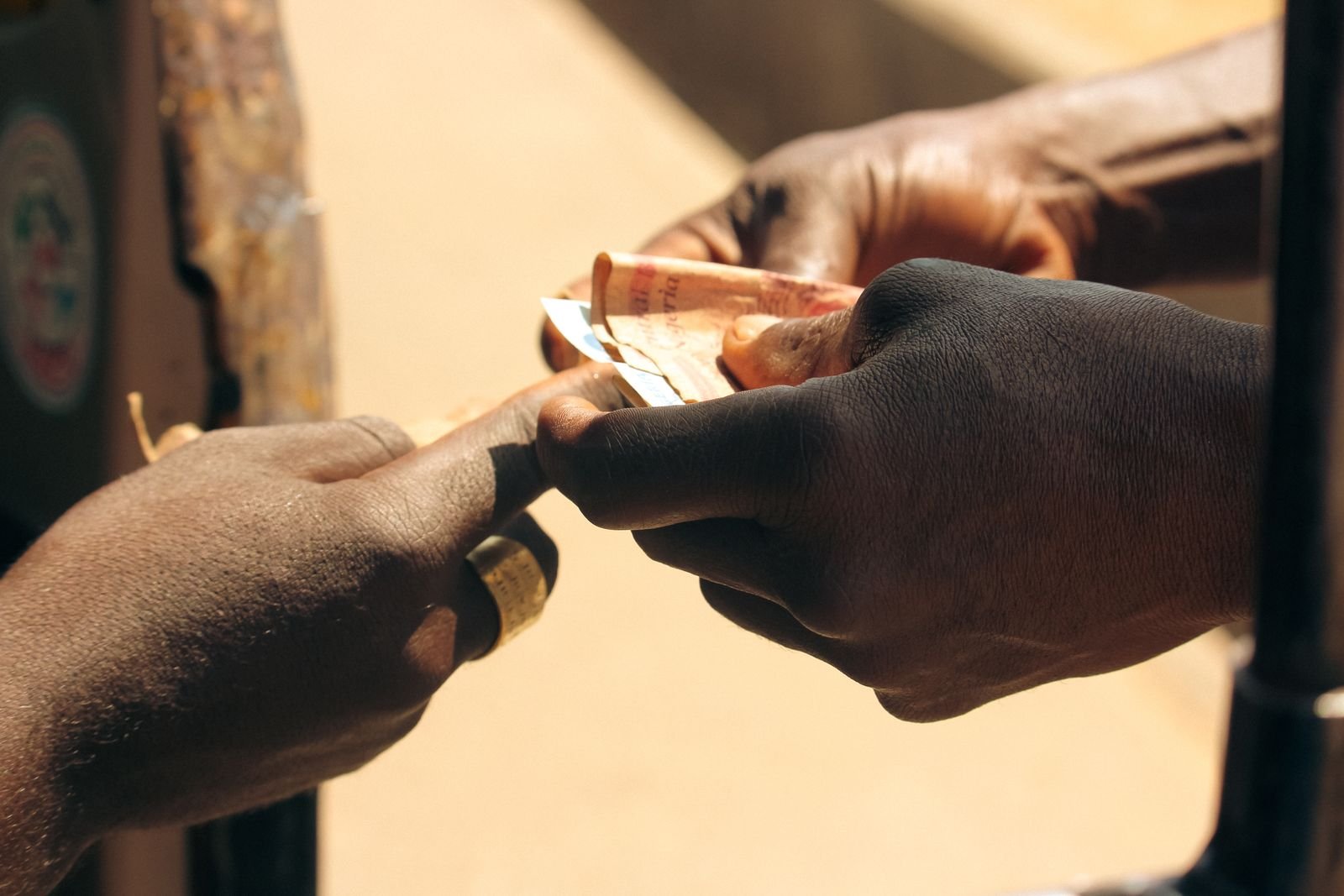
- New remittance businessesSending money to family abroad, business payments, specific corridors.
- New bureaux de changeHigh street, travel retail and online currency exchange.
- Existing businesses adding money transferShops, travel agents and agents of larger remitters.
- Overseas foundersPayment businesses opening a UK entity with UK management.
Prepared by the TaxDigit teamReviewed by Amir RafieiLast reviewed
What we do
Choose the structure
A UK limited company is the norm. We form it, verify directors' identity with Companies House as an authorised corporate service provider, and set up the shareholdings and controllers the FCA will ask about. Company formation
Decide the regime
Currency exchange only: HMRC. Money transfer: HMRC plus FCA small payment institution or authorised payment institution. E-money: FCA EMI. We confirm it from your flow of funds.
Prepare the people
Directors and managers need relevant knowledge and experience, and must pass HMRC's fit and proper test and the FCA's assessment. Gaps can be fixed by hiring or appointing an experienced compliance lead.
Build the documents
Business plan, three-year forecasts, AML policy and risk assessment, safeguarding arrangements, complaints procedure and wind-down plan, tailored to your corridors and customers.
Apply
HMRC through its online service; the FCA through FCA Connect. You are the applicant; we prepare and check everything with you.
Bank and safeguarding accounts
Operating and safeguarding accounts are often the hardest part. We introduce you to our panel of banks, subject to their acceptance. Business banking
Launch and stay compliant
Annual HMRC declaration, FCA returns, record keeping, accounts, VAT position and corporation tax. Corporation tax
Typical regulator fees for a new money transfer business (one premises, two directors)
| Item | Amount |
|---|---|
| HMRC application fee (one-off) | £300 |
| HMRC premises fee, first year | £400 |
| HMRC fit and proper tests, 2 people at £500 | £1,000 |
| FCA application fee, small payment institution (category 3, 2026/27) | £1,130 |
| Companies House incorporation fee (online) | £100 |
| Total paid to regulators before our fees | £2,930 |
Start-up package starting fees
| Service | Fee from |
|---|---|
| Money transfer start-up package FCA SPI registration plus HMRC MSB registration, AML policy, risk assessment, business plan and forecasts | from £9,950 |
| Currency exchange start-up (HMRC only) HMRC MSB registration with AML policy and risk assessment | from £1,250 |
| UK company formation with ID verification Companies House fee and one director's identity verification included | from £395 |
| First-year compliance plan Bookkeeping, annual HMRC declaration, FSA057 return, accounts and CT600 | from £295 a month |
| Business bank account introduction Panel referral and application pack, subject to the bank's acceptance | from £525 |
Starting prices on the basis stated, not a fixed quotation. Each fee includes our client onboarding and anti-money laundering check; VAT is added only where it applies to you. HMRC and FCA fees are paid by you directly to the regulator and are not included. We fix a single figure in writing once we have the full facts.
Realistic timeline
Company formed, people and corridors confirmed, documents drafted.
HMRC and FCA applications submitted; bank applications in progress.
Regulators' questions answered; HMRC fit and proper tests completed.
Registered on HMRC's register and the FCA register; you can start trading for the permitted activities.

Led by Amir Rafiei
TaxDigit's licensing work is led by Amir Rafiei, Senior Tax Manager and founder of TaxDigit, who reviews every application pack, forecast and regulatory return before it leaves the firm.
Safeguarding audits are carried out separately by Jelveh Audit & Assurance, led by Sandra Marley FCCA, so the audit stays independent of the advisory work.
- HMRC MSB registration
- FCA SPI, EMI and API applications
- Forecasts, capital and own funds
- Safeguarding and reconciliations
- FCA returns
- Companies House ACSP
FCA and HMRC licensing services
Every route and audit in one place. Overseas founders can also start with setting up a UK company from abroad and our audit and assurance page.
Official sources
Figures and rules on this page were checked against these sources on 16 November 2026. Regulators change fees and rules; we confirm the current position before any application.
- Money laundering supervision for money service businesses (GOV.UK)
- Fees you'll pay for money laundering supervision (GOV.UK, updated 10 Nov 2026)
- HMRC Economic Crime Supervision Handbook ECSH41535: money transmitters and FCA
- Apply to become an electronic money or a payment institution (FCA)
- FCA Fees manual FEES 3, pricing categories 2026/27 (FCA 2026/34)
- Safeguarding requirements for payment and e-money institutions (FCA)
Frequently asked questions
Regulator fees for a simple case are about £2,930 (HMRC £300 application, £400 premises, £500 per person tested, the FCA's £1,130 SPI application fee and £100 at Companies House). On top come professional fees, working capital, systems, insurance and staff. Our start-up package for the two applications starts at £9,950.
You need HMRC registration as a money service business, which people often call an MSB licence. It is a registration for anti-money laundering supervision rather than a licence, and you must hold it before you trade.
A small payment institution's monthly average of payment transactions over the previous 12 months must not exceed EUR 3 million. Above that you need FCA authorisation as an authorised payment institution, with initial capital (EUR 20,000 for money remittance only) and ongoing own funds requirements.
For FCA registration as a UK payment institution, the head office (and registered office) must be in the UK and the FCA expects the business to be genuinely run from here. HMRC registration also lists your trading premises.
Yes. Agents of a registered or authorised payment institution are registered through their principal, which can be faster. You still need HMRC registration for your premises and you must follow the principal's procedures.
Small payment institutions may choose to comply with safeguarding requirements, and many banks and partners expect it. Authorised payment institutions must safeguard and, above GBP 100,000 of relevant funds, have an annual safeguarding audit.
The FCA looks for knowledge and experience in payment services relevant to your business. Where founders are new to the sector, appointing an experienced director or compliance officer is often what turns a weak application into a credible one.
Yes, nationality is not a bar, but the people running it must pass the fit and proper assessments and the business needs genuine management in the UK. UK immigration status is a separate question; if you need UK immigration advice we can introduce you to an immigration law firm in our partner network once you are onboarded.
Most financial services such as money transfer and currency exchange are exempt from VAT, which affects how much VAT you can recover on your own costs. We set this up correctly from day one.
Plan for three to six months from first documents to approval for a money transfer business, and less for a currency exchange that needs only HMRC registration, provided the people and documents are ready.
Ready to start?
Tell us what your business will do with customers' money and we will confirm the route, the regulator fees and a fixed fee for our work in writing.