
In short: As groups decarbonise, value moves within them: green technology developed in one country is used in others, central teams run sustainability programmes for the whole group, and carbon costs such as UK ETS allowances and CBAM charges land in particular entities. Transfer pricing rules require each of these to be priced at arm's length under the OECD Guidelines, and HMRC's new International Controlled Transactions Schedule applies to accounting periods beginning on or after 1 January 2027. Carbon credits add accounting and tax questions of their own. TaxDigit combines its transfer pricing and sustainability teams to price, document and defend these arrangements.
Sustainability is changing value chains, and transfer pricing must follow
A group that invests in low-carbon processes, renewable energy or green product design creates intangibles and changes which entities perform the key functions, use the key assets and bear the risks. Those changes must be reflected in intra-group prices, cost contribution arrangements and transfer pricing documentation. If one entity pays for carbon allowances or CBAM charges on goods it then sells to a related party, the price should reflect who really bears that cost.
Carbon credits raise separate issues. There is no dedicated IFRS standard yet, so groups must choose and disclose a policy for credits held for their own use, for trading, or generated from their own projects; the tax treatment usually follows the accounting. Claims based on offsets must also avoid greenwashing. We bring the accounting, tax and sustainability view together.
- Multinational groupsPricing green intangibles, sustainability services and carbon costs between countries.
- Groups in the UK ETS or CBAMAllocating carbon charges correctly within the group.
- Companies buying or generating carbon creditsAccounting policy, tax treatment and claims.
- Groups crossing transfer pricing thresholdsMaster file, local file and the new ICTS.
Led by Dr Attieh Moezoddin, Head of Sustainability & ESG Advisory (PhD, Built Environment)Reviewed by Amir Rafiei, ACCA Certificate in Sustainability for FinanceLast reviewed
What we do
Ownership and returns
Identifying who develops, enhances, maintains, protects and exploits green intangibles (DEMPE) and pricing royalties or cost sharing accordingly.
Allocating UK ETS and CBAM
Analysing which entity bears carbon costs and reflecting them in intra-group prices for goods and services.
Group sustainability teams
Pricing central ESG, reporting and decarbonisation services charged to subsidiaries.
Low-carbon restructuring
Transfer pricing effects of moving production, sourcing or functions to reduce emissions.
Accounting and tax
Accounting policy for credits and allowances, tax treatment, and documentation for claims and disclosures.
Master file, local file and ICTS
Sustainability arrangements reflected in documentation and the new International Controlled Transactions Schedule. See transfer pricing.
Sustainability topics in transfer pricing
| Topic | Transfer pricing question |
|---|---|
| Green technology and know-how | Which entity owns the intangible and what royalty or return is arm's length? |
| Renewable energy purchased centrally | How are costs and certificates shared across the group? |
| UK ETS allowances and CBAM charges | Which entity bears the carbon cost and is it reflected in the price of goods? |
| Group sustainability function | Is a service charge justified, and on what cost base and mark-up? |
| Green finance raised centrally | How are lower margins on sustainability-linked debt shared with borrowing entities? |
| Carbon credit trading entity | What functions, assets and risks does it have, and what return does it earn? |
How we help
Sustainability-related transactions and value drivers across the group.
Functions, assets and risks, including DEMPE for green intangibles.
Arm's length methods and benchmarks.
Master file, local file, ICTS and policy notes.
A dedicated sustainability and ESG team
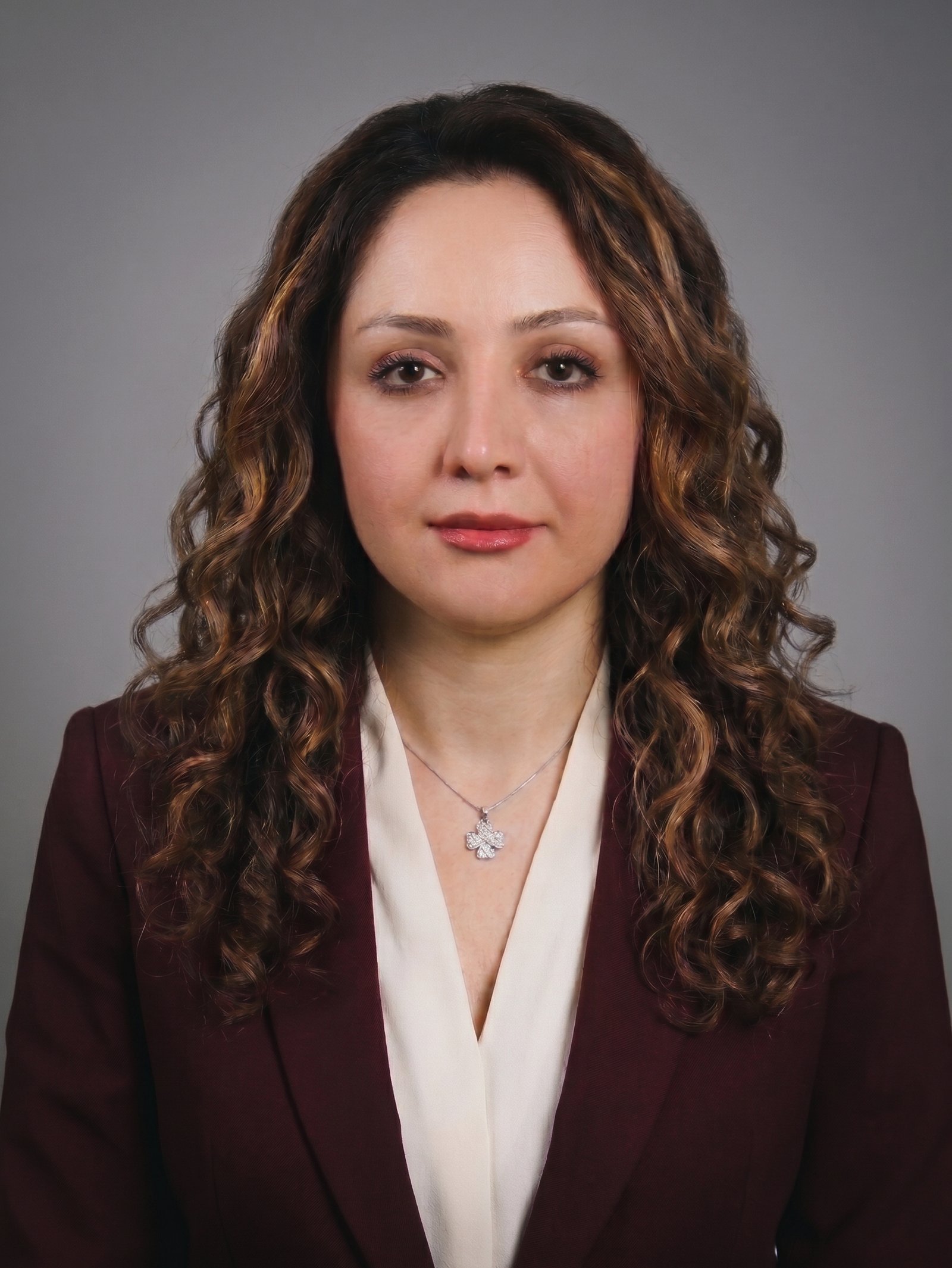
TaxDigit has a dedicated sustainability and ESG team, led by Dr Attieh Moezoddin, Head of Sustainability & ESG Advisory. Attieh holds a PhD in the Built Environment from the University of Salford and is a sustainable development researcher whose doctoral work built a framework for sustainable urban development using expert panels and multi-criteria analysis (fuzzy Delphi, fuzzy AHP and fuzzy TOPSIS) across social, environmental, economic and cultural pillars.
Finance, reporting and tax quality is reviewed by Amir Rafiei, Senior Manager for Global Tax Strategy, Transfer Pricing and Sustainability, who holds the  ACCA Certificate in Sustainability for Finance. The team works side by side with our accounts, tax, payroll and international specialists, so your sustainability disclosures, financial statements and tax returns rest on one set of facts. Statutory audit is carried out separately by our alliance firm Jelveh Audit & Assurance.
- PhD, Built Environment
- Sustainable development research
- Materiality and expert panels
- SDGs and impact
- Climate risk and reporting
- ESG metrics and analytics
- IFRS S1, S2 and UK SRS
- CSRD and ESRS
- CBAM and green taxes
All sustainability and ESG services
See the full overview on our sustainability and ESG services page, or go straight to a related service. Large groups may also need our large and multinational group tax support.
Official sources
Rules, thresholds and dates on this page were checked against these sources on 14 November 2026. We re-check them whenever they change.
Frequently asked questions
Do transfer pricing rules apply to sustainability?
Yes. Any transaction between related parties, including green technology licences, sustainability services and carbon cost recharges, must be priced at arm's length under the OECD Guidelines and UK rules.
Who should bear CBAM or UK ETS costs within a group?
The entity that actually bears the economic risk and controls it, which depends on the facts. Intra-group prices should reflect that allocation.
What is DEMPE?
The development, enhancement, maintenance, protection and exploitation functions that determine which entities are entitled to returns from an intangible, including green intangibles.
How are carbon credits accounted for?
There is no dedicated IFRS standard yet. Companies choose a policy, often treating credits as intangible assets or inventory depending on their purpose, and disclose it. The IASB is working on pollutant pricing mechanisms.
Can carbon credits offset our reported emissions?
Credits are reported separately from gross emissions. Claims such as carbon neutral need care to avoid greenwashing.
What is the International Controlled Transactions Schedule?
A new HMRC schedule of cross-border related-party transactions filed with the corporation tax return, for accounting periods beginning on or after 1 January 2027.
Does this matter for smaller groups?
Yes, if they have cross-border related-party transactions. The documentation burden scales with size, but the arm's length principle applies to all.
Who leads this work at TaxDigit?
Our sustainability services are led by Dr Attieh Moezoddin, Head of Sustainability & ESG Advisory. The transfer pricing analysis is carried out with Amir Rafiei, Senior Manager for Global Tax Strategy, Transfer Pricing and Sustainability, who holds the ACCA Certificate in Sustainability for Finance.