
In short: Carbon accounting measures an organisation's greenhouse gas emissions in tonnes of CO2 equivalent. Under the GHG Protocol, Scope 1 covers direct emissions from sources you own or control, Scope 2 covers purchased electricity, heat, steam and cooling, and Scope 3 covers the rest of your value chain in 15 categories. UK quoted companies and large unquoted companies and LLPs must report energy and emissions under SECR in their annual reports. TaxDigit's sustainability team calculates your footprint (activity data multiplied by emission factors), sets the boundary consistently with your financial statements, documents every estimate and prepares the SECR disclosure and any targets.
Why accountants are well placed to measure carbon
A greenhouse gas inventory is a set of accounts in tonnes rather than pounds. It needs a defined reporting entity and period, a consolidation approach (financial control, operational control or equity share), a base year, documented methods, controls over data and restatement when the group changes. Those are the same disciplines that underpin financial reporting, and they are what assurance providers test.
Scope 3 is usually the largest part of the footprint and the hardest to measure, because it relies on suppliers and customers. We start with spend-based estimates where needed, flag them clearly, and move the material categories to supplier-specific data over time. The GHG Protocol itself is being revised, so we keep your methods under review.
- Companies in SECR scopeQuoted companies and large unquoted companies and LLPs reporting in the annual report.
- Suppliers to large groupsCustomers need your emissions for their own Scope 3 reporting.
- Companies setting net zero targetsBase year, targets and progress tracking, including the SBTi process.
- Groups preparing UK SRS S2 or CSRDScope 1, 2 and 3 inventories that meet the standards.
Led by Dr Attieh Moezoddin, Head of Sustainability & ESG Advisory (PhD, Built Environment)Reviewed by Amir Rafiei, ACCA Certificate in Sustainability for FinanceLast reviewed
What we do
Scope 1 and 2 footprint
Fuel, refrigerants, vehicles and purchased energy, location-based and market-based, with emission factors and calculation files you can reuse.
Value chain emissions
Screening of all 15 categories, then measurement of the material ones: purchased goods and services, capital goods, transport, business travel, commuting, waste and use of sold products.
Energy and carbon report
UK energy use, Scope 1 and 2 emissions, the required Scope 3 element, an intensity ratio, methodology and energy efficiency actions, drafted for the annual report.
Base year and net zero targets
We set a reliable base year and help you prepare targets, including the SBTi steps: commit, develop, submit, announce and disclose.
Answering customer requests
Product or customer-level emission data and questionnaire answers for your customers' Scope 3, including CDP responses.
Carbon Reduction Plans
Footprints that feed straight into a PPN 006 Carbon Reduction Plan. See Carbon Reduction Plans.
The three scopes
| Scope | What it covers | Examples |
|---|---|---|
| Scope 1 | Direct emissions from sources the organisation owns or controls | Gas boilers, company vehicles, process emissions, refrigerant leaks |
| Scope 2 | Indirect emissions from purchased electricity, steam, heating and cooling | Office and factory electricity, district heating |
| Scope 3 upstream | Indirect emissions in the supply chain | Purchased goods and services, capital goods, upstream transport, waste, business travel, employee commuting |
| Scope 3 downstream | Indirect emissions after the product leaves you | Downstream transport, use and end-of-life of sold products, leased assets, franchises, investments |
SECR is under review: the government's post-implementation review (May 2026) recommended keeping the regime with targeted amendments, and DESNZ plans a further consultation.
How a carbon accounting engagement runs
Agree the reporting entity, consolidation approach and base year.
Collect activity data from invoices, meters, ledgers and suppliers.
Apply emission factors, document estimates and run quality checks.
SECR disclosure, customer data packs, targets and an assurance-ready file.
A dedicated sustainability and ESG team
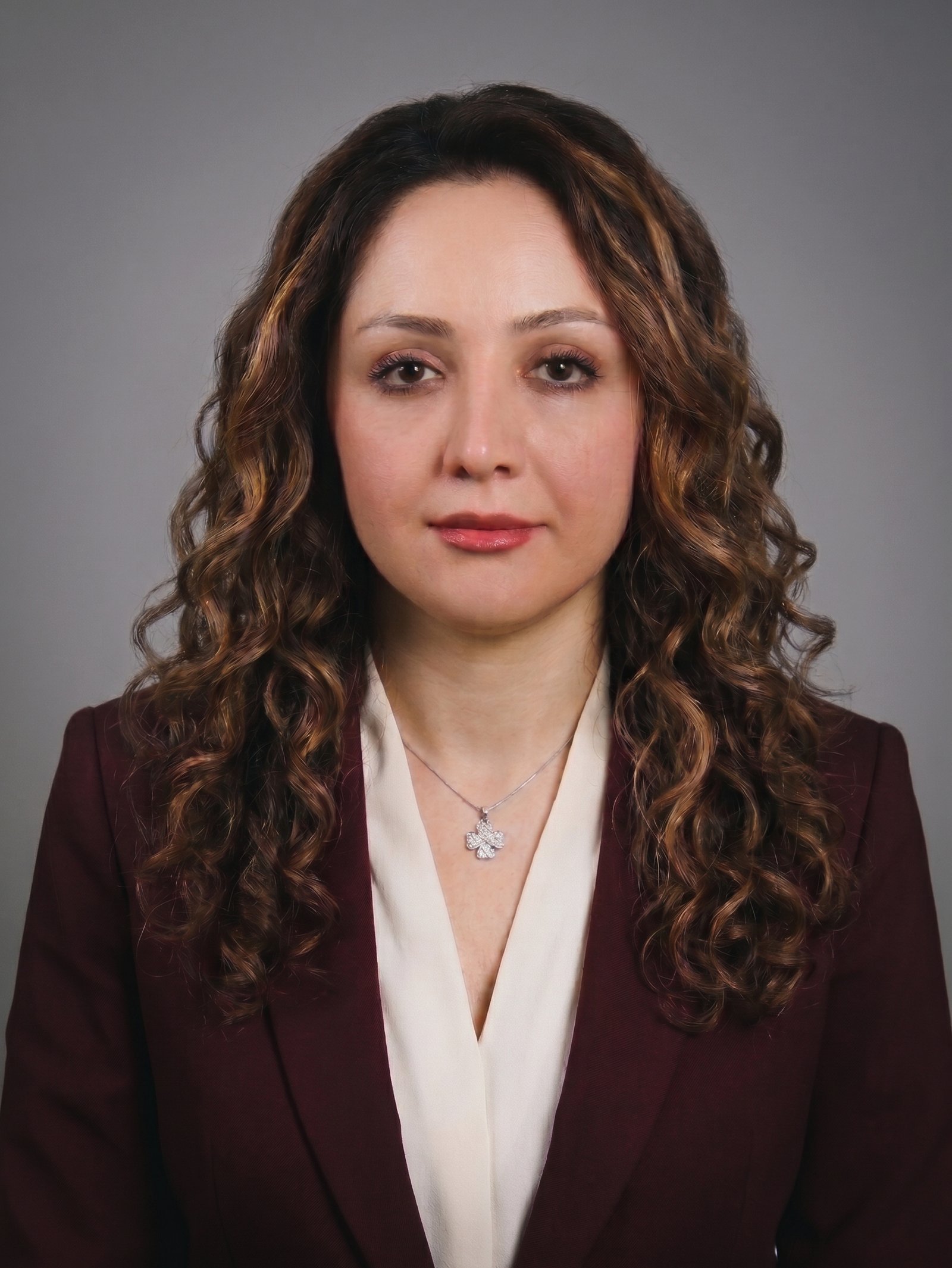
TaxDigit has a dedicated sustainability and ESG team, led by Dr Attieh Moezoddin, Head of Sustainability & ESG Advisory. Attieh holds a PhD in the Built Environment from the University of Salford and is a sustainable development researcher whose doctoral work built a framework for sustainable urban development using expert panels and multi-criteria analysis (fuzzy Delphi, fuzzy AHP and fuzzy TOPSIS) across social, environmental, economic and cultural pillars.
Finance, reporting and tax quality is reviewed by Amir Rafiei, Senior Manager for Global Tax Strategy, Transfer Pricing and Sustainability, who holds the  ACCA Certificate in Sustainability for Finance. The team works side by side with our accounts, tax, payroll and international specialists, so your sustainability disclosures, financial statements and tax returns rest on one set of facts. Statutory audit is carried out separately by our alliance firm Jelveh Audit & Assurance.
- PhD, Built Environment
- Sustainable development research
- Materiality and expert panels
- SDGs and impact
- Climate risk and reporting
- ESG metrics and analytics
- IFRS S1, S2 and UK SRS
- CSRD and ESRS
- CBAM and green taxes
All sustainability and ESG services
See the full overview on our sustainability and ESG services page, or go straight to a related service. Large groups may also need our large and multinational group tax support.
Official sources
Rules, thresholds and dates on this page were checked against these sources on 14 November 2026. We re-check them whenever they change.
Frequently asked questions
What is carbon accounting?
Measuring and reporting an organisation's greenhouse gas emissions in tonnes of CO2 equivalent, usually under the GHG Protocol, split into Scope 1, 2 and 3.
How are emissions calculated?
Activity data, such as litres of fuel or kilowatt hours of electricity, multiplied by an emission factor. Scope 3 often starts with spend-based factors and moves to supplier data.
Who has to report under SECR?
UK quoted companies, and large unquoted companies and large LLPs as defined by the Companies Act size tests, in their annual reports.
What must a large unquoted company include in its SECR report?
UK energy use, the associated Scope 1 and 2 emissions, the required Scope 3 element for business travel in vehicles it does not own, at least one intensity ratio, the methodology and energy efficiency actions taken.
Which consolidation approach should we use?
Financial control, operational control or equity share. We recommend the approach consistent with your financial reporting and disclose it.
When should we restate our base year?
After structural changes such as acquisitions or disposals, changes in calculation method, or the discovery of material errors.
Our customer wants our emissions. Where do we start?
With Scope 1 and 2, which are usually quick to measure, then the Scope 3 categories your customer cares about. We prepare a data pack in the format they ask for.
Can you help with science-based targets?
Yes. We prepare the base year inventory and targets and support you through the SBTi process of commit, develop, submit, announce and disclose.
Is carbon offsetting part of carbon accounting?
Offsets are reported separately from your gross emissions. We help you account for them correctly and avoid claims that could be challenged as greenwashing. See carbon credits.