
In short: An integrated report explains to providers of financial capital how an organisation creates, preserves or erodes value over time. It uses the Integrated Reporting Framework, now part of the IFRS Foundation, which describes six capitals (financial, manufactured, intellectual, human, social and relationship, and natural) and eight content elements. Because the ISSB standards were built to work with it, an integrated report is a practical way to bring your financial statements, UK SRS or IFRS S1 and S2 disclosures and strategy into one story. TaxDigit's sustainability team helps you plan, write and connect it.
What integrated reporting adds
Many companies publish a financial report, a sustainability report and a strategy presentation that do not quite agree. Integrated reporting replaces that with integrated thinking: how the business model draws on each of the six capitals, what it produces, and the outcomes for those capitals, including the trade-offs between them. The result is a concise account of value creation that investors can use alongside the numbers.
The IASB and the ISSB are now jointly responsible for the Integrated Reporting Framework, which is used in more than 70 countries. The IFRS Foundation has published a mapping tool and a transition guide showing how IFRS S1 and S2 disclosures can sit within an integrated report. For many groups this makes the integrated report the natural home for their UK SRS disclosures.

- Listed and large private groupsBringing financial and sustainability reporting into one annual report.
- Companies raising capitalExplaining the business model and long-term value to investors and lenders.
- Public interest and mission-led organisationsShowing social and natural capital outcomes alongside financial results.
- Family and founder-owned groupsUsing integrated thinking to plan succession and long-term strategy.
Led by Dr Attieh Moezoddin, Head of Sustainability & ESG Advisory (PhD, Built Environment)Reviewed by Amir Rafiei, ACCA Certificate in Sustainability for FinanceLast reviewed
What we do
Business model and capitals map
We map how your business model uses and affects each of the six capitals and where the main dependencies and trade-offs are.
Report structure
Organisational overview and external environment, governance, business model, risks and opportunities, strategy and resource allocation, performance, outlook, and basis of preparation.
Linking to the numbers
We connect KPIs, sustainability metrics and narrative to the financial statements so the same facts appear consistently throughout.
Integrated report plus IFRS S1 and S2
We place UK SRS or IFRS S1 and S2 disclosures within the integrated report and cross-reference them clearly. See UK SRS and ISSB reporting.
Measures that mean something
Financial and non-financial KPIs chosen for your audience, with definitions, methods and targets.
Contribution to the SDGs
Where relevant, we show which Sustainable Development Goals your business contributes to and how. See SDG impact measurement.
The six capitals
| Capital | What it covers | Typical measures |
|---|---|---|
| Financial | Funds available for use, obtained through financing or generated by operations | Revenue, profit, cash flow, return on capital |
| Manufactured | Buildings, equipment and infrastructure used to produce goods and services | Capital expenditure, asset utilisation |
| Intellectual | Intellectual property, systems, procedures and organisational knowledge | R&D spend, patents, digital capability |
| Human | People's skills, experience, health and motivation | Training hours, engagement, health and safety, retention |
| Social and relationship | Relationships with communities, customers, suppliers and other stakeholders | Customer satisfaction, supplier standards, community investment |
| Natural | Renewable and non-renewable environmental resources and processes | Emissions, energy, water, waste, land use, biodiversity |
How we build an integrated report
Board and management session on value creation and the capitals.
Agree the matters that substantively affect value over time.
Structure, narrative, KPIs and connectivity with the accounts.
Consistency check across the whole annual report and readiness for assurance.
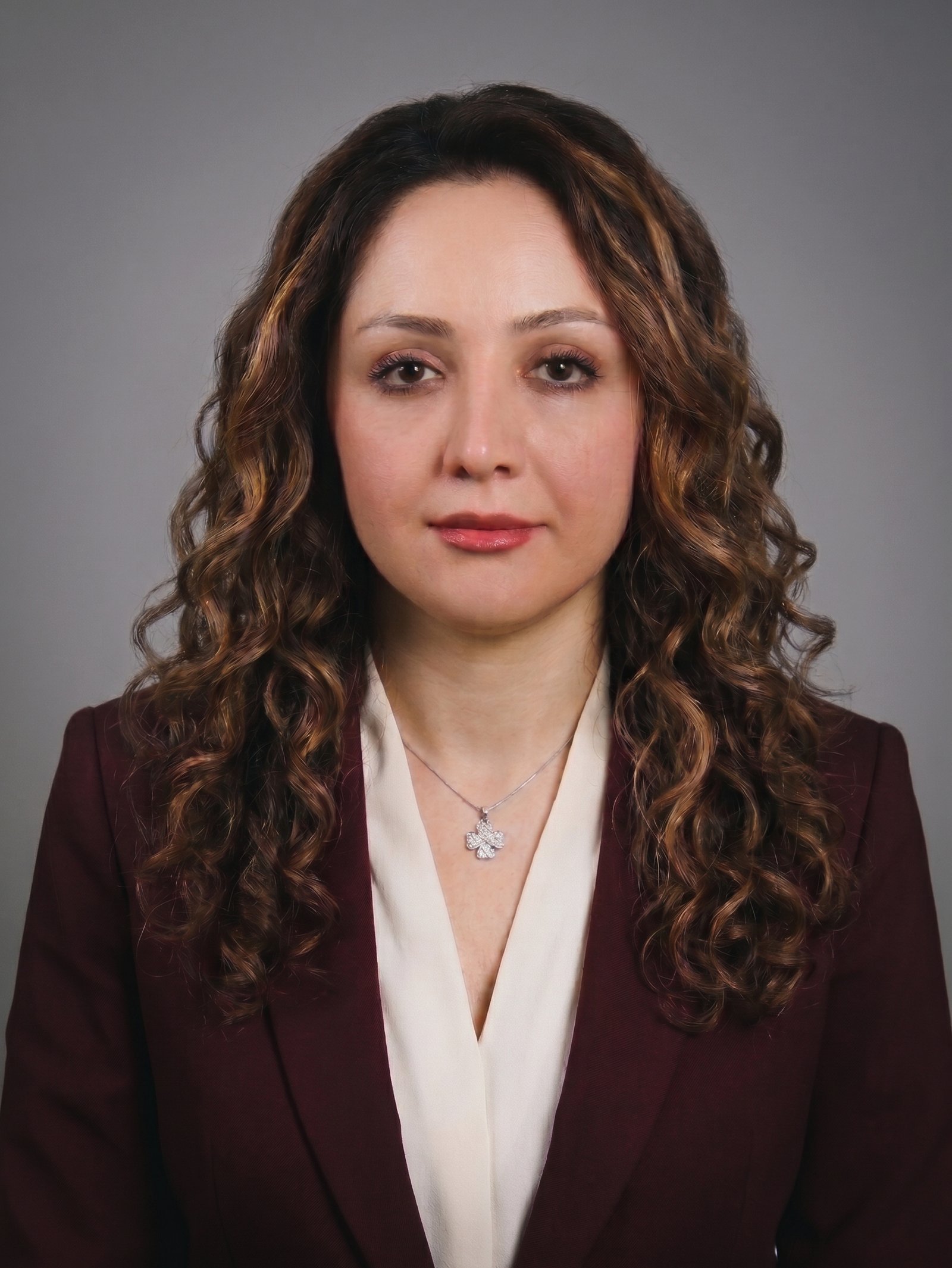
A dedicated sustainability and ESG team
TaxDigit has a dedicated sustainability and ESG team, led by Dr Attieh Moezoddin, Head of Sustainability & ESG Advisory. Attieh holds a PhD in the Built Environment from the University of Salford and is a sustainable development researcher whose doctoral work built a framework for sustainable urban development using expert panels and multi-criteria analysis (fuzzy Delphi, fuzzy AHP and fuzzy TOPSIS) across social, environmental, economic and cultural pillars.
Finance, reporting and tax quality is reviewed by Amir Rafiei, Senior Manager for Global Tax Strategy, Transfer Pricing and Sustainability, who holds the  ACCA Certificate in Sustainability for Finance. The team works side by side with our accounts, tax, payroll and international specialists, so your sustainability disclosures, financial statements and tax returns rest on one set of facts. Statutory audit is carried out separately by our alliance firm Jelveh Audit & Assurance.
- PhD, Built Environment
- Sustainable development research
- Materiality and expert panels
- SDGs and impact
- Climate risk and reporting
- ESG metrics and analytics
- IFRS S1, S2 and UK SRS
- CSRD and ESRS
- CBAM and green taxes
All sustainability and ESG services
See the full overview on our sustainability and ESG services page, or go straight to a related service. Large groups may also need our large and multinational group tax support.
Official sources
Rules, thresholds and dates on this page were checked against these sources on 14 November 2026. We re-check them whenever they change.
Frequently asked questions
What is integrated reporting?
A concise communication about how an organisation's strategy, governance, performance and prospects lead to the creation, preservation or erosion of value over the short, medium and long term.
What are the six capitals?
Financial, manufactured, intellectual, human, social and relationship, and natural capital.
Who is an integrated report for?
Primarily providers of financial capital, but it is useful to employees, customers, suppliers, regulators and communities.
Is integrated reporting mandatory in the UK?
No. It is voluntary in the UK. It is widely used internationally and works well alongside UK SRS and IFRS S1 and S2.
How does integrated reporting relate to the ISSB?
The IASB and the ISSB are jointly responsible for the Integrated Reporting Framework, and the IFRS Foundation has published a mapping tool showing how IFRS S1 and S2 disclosures can be included in an integrated report.
What are the eight content elements?
Organisational overview and external environment; governance; business model; risks and opportunities; strategy and resource allocation; performance; outlook; and basis of preparation and presentation.
Can a private company produce an integrated report?
Yes. Many private and family-owned groups use integrated reporting to explain long-term value to lenders, investors and the next generation of owners.
How long does it take?
A first integrated report usually takes one reporting cycle to plan and draft. Later years are much quicker because the structure and data flows are in place.