
In short: Climate change is not only a sustainability disclosure topic; it affects the numbers in your accounts. Existing accounting standards already require climate risks to be reflected where they are material: in impairment testing under IAS 36, useful lives and residual values under IAS 16 and IAS 38, provisions and onerous contracts under IAS 37, expected credit losses under IFRS 9, fair values under IFRS 13 and judgements and estimation uncertainty under IAS 1, with equivalent requirements in FRS 102. Investors and regulators also expect the assumptions in the accounts to agree with the climate narrative in the front half. TaxDigit's sustainability and accounts team tests and documents these effects.
Stranded assets and the accounting standards
Stranded assets are assets that suffer unanticipated or premature write-downs, devaluations or conversion to liabilities, often because the low-carbon transition means they can no longer earn the return expected over their life. Drivers include carbon pricing, new regulation, falling costs of clean technology, shifts in demand and litigation. Under IAS 36 and IAS 16 an asset cannot be carried above its recoverable amount, so these risks must be considered in cash flow forecasts, discount rates and asset lives.
Climate risk analytics makes this measurable. Climate hazard data for each asset location is combined with vulnerability curves to estimate the relative change in value, and multiplied by the asset value to give an absolute value at risk. The result supports impairment testing, insurance decisions, disposal planning and the financial effects disclosure required by UK SRS S2 and IFRS S2.
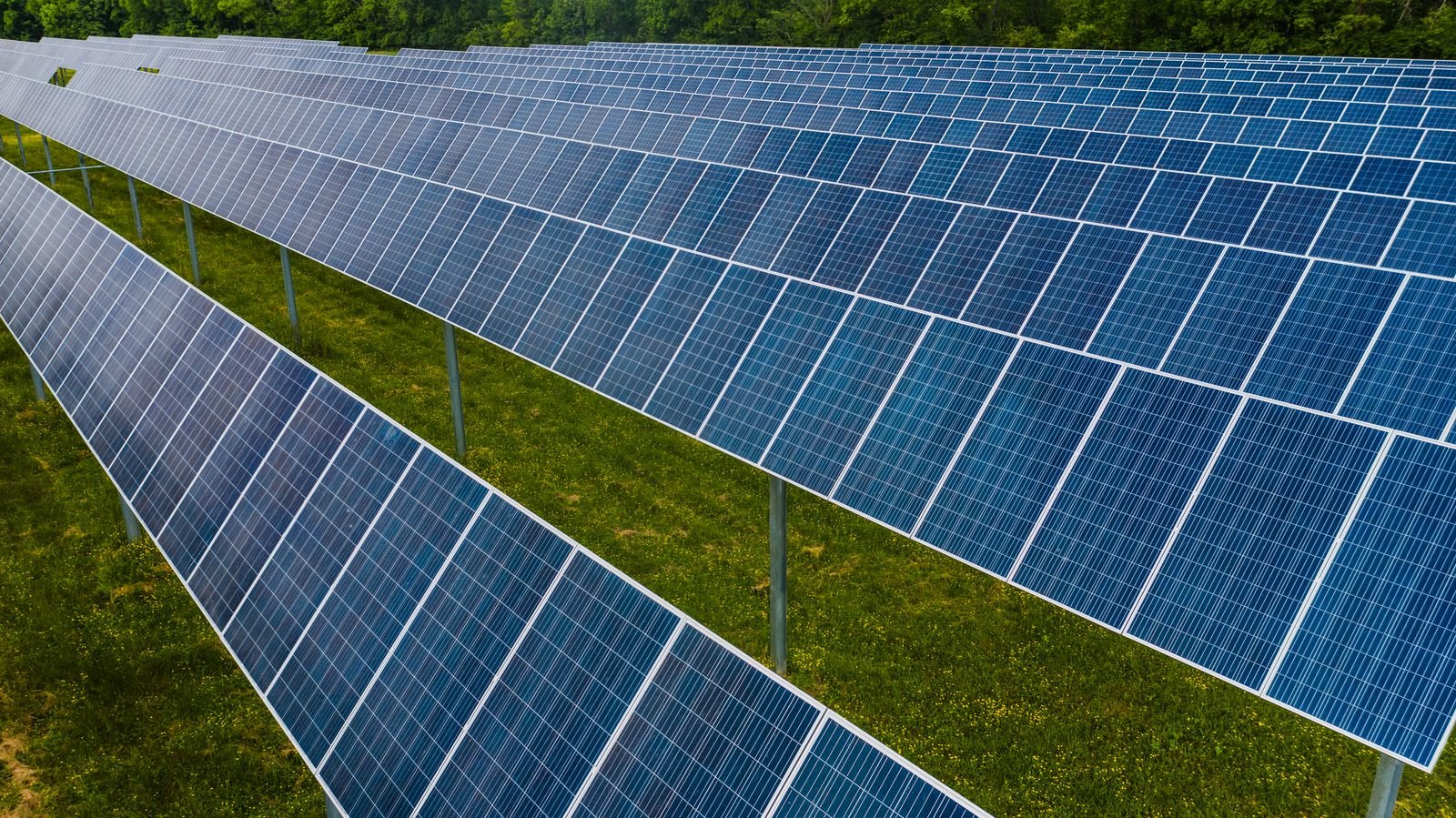
- Asset-intensive groupsProperty, energy, manufacturing, transport, agriculture and infrastructure.
- Companies with net zero pledgesCommitments that shorten asset lives or create obligations.
- Lenders and investorsCredit loss and valuation exposure to climate risk.
- Audit committeesChallenging management's climate assumptions before the auditor does.
Led by Dr Attieh Moezoddin, Head of Sustainability & ESG Advisory (PhD, Built Environment)Reviewed by Amir Rafiei, ACCA Certificate in Sustainability for FinanceLast reviewed
What we do
IAS 36 and FRS 102 testing
We build climate assumptions into cash flow forecasts, discount rates and sensitivities, and document why they are reasonable.
Useful lives and residual values
We review whether net zero plans or regulation shorten asset lives or reduce residual values and adjust depreciation accordingly.
Obligations and onerous contracts
We assess whether climate commitments, restoration duties, fines or contracts create provisions or contingent liabilities.
Expected credit losses
For lenders and businesses with large receivables, we consider how climate risk affects expected credit losses.
Climate risk analytics
Asset-level hazard, vulnerability and value analysis giving absolute and relative value at risk by asset, site and portfolio.
Front half and back half agree
We check that climate statements, transition plans and UK SRS disclosures use the same assumptions as the financial statements.
Accounting standards most affected by climate
| Standard | What climate can change |
|---|---|
| IAS 1 / FRS 102 section 8 | Significant judgements and sources of estimation uncertainty disclosed |
| IAS 36 / FRS 102 section 27 | Impairment of assets and goodwill: cash flows, discount rates, sensitivities |
| IAS 16, IAS 38 / FRS 102 sections 17 and 18 | Useful lives, residual values and depreciation of property, plant and intangibles |
| IAS 37 / FRS 102 section 21 | Provisions, contingent liabilities, onerous contracts, fines and restoration obligations |
| IFRS 9 / FRS 102 sections 11 and 12 | Expected credit losses on loans and receivables |
| IFRS 13 | Fair value measurement of assets exposed to climate risk |
How we help
Identify assets, contracts and receivables most exposed to climate risk.
Hazard, vulnerability and value analysis, plus transition scenarios.
Adjust impairment, lives, provisions and disclosures where needed.
Make the sustainability report and financial statements tell the same story.
A dedicated sustainability and ESG team
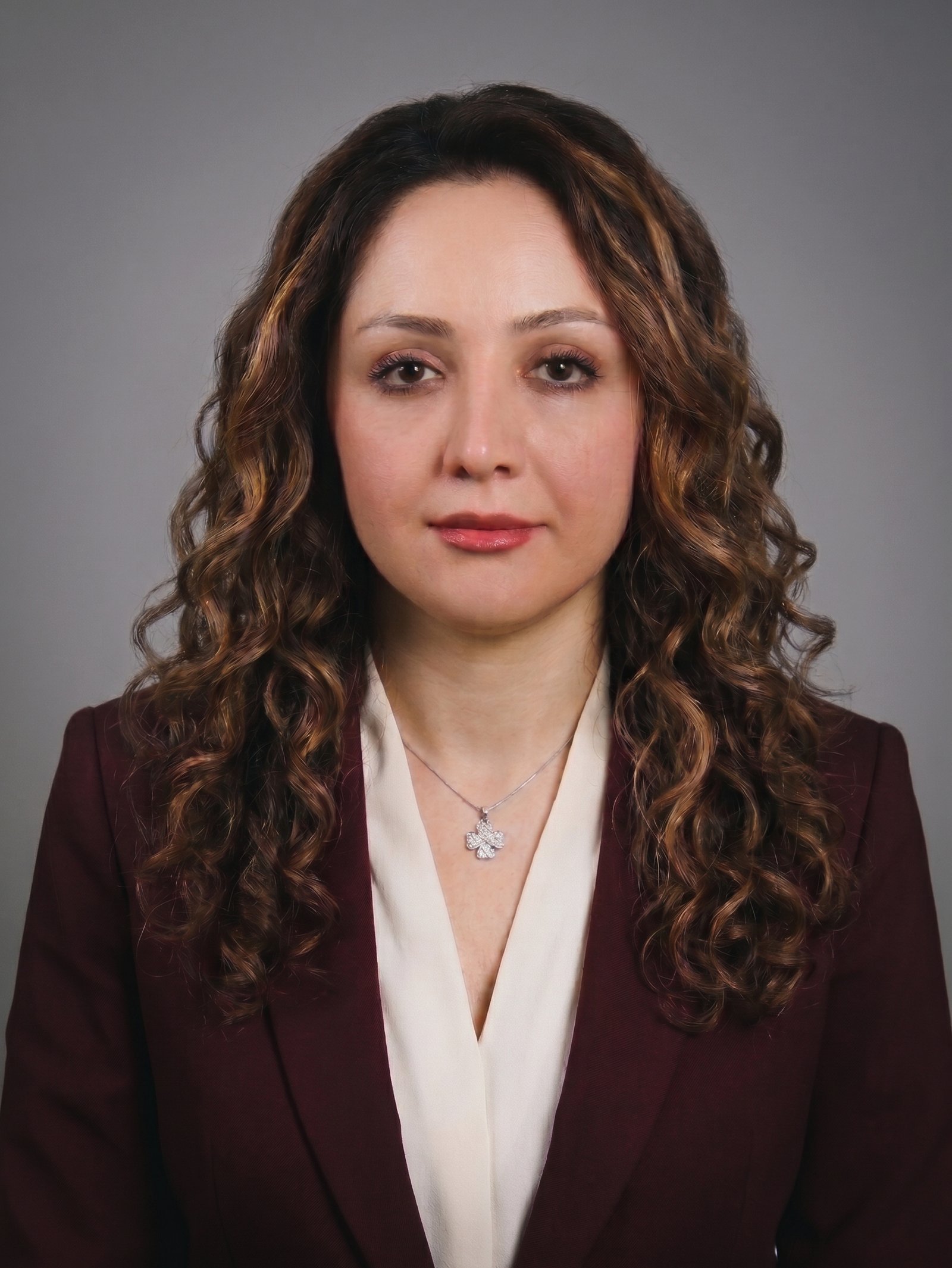
TaxDigit has a dedicated sustainability and ESG team, led by Dr Attieh Moezoddin, Head of Sustainability & ESG Advisory. Attieh holds a PhD in the Built Environment from the University of Salford and is a sustainable development researcher whose doctoral work built a framework for sustainable urban development using expert panels and multi-criteria analysis (fuzzy Delphi, fuzzy AHP and fuzzy TOPSIS) across social, environmental, economic and cultural pillars.
Finance, reporting and tax quality is reviewed by Amir Rafiei, Senior Manager for Global Tax Strategy, Transfer Pricing and Sustainability, who holds the  ACCA Certificate in Sustainability for Finance. The team works side by side with our accounts, tax, payroll and international specialists, so your sustainability disclosures, financial statements and tax returns rest on one set of facts. Statutory audit is carried out separately by our alliance firm Jelveh Audit & Assurance.
- PhD, Built Environment
- Sustainable development research
- Materiality and expert panels
- SDGs and impact
- Climate risk and reporting
- ESG metrics and analytics
- IFRS S1, S2 and UK SRS
- CSRD and ESRS
- CBAM and green taxes
All sustainability and ESG services
See the full overview on our sustainability and ESG services page, or go straight to a related service. Large groups may also need our large and multinational group tax support.
Official sources
Rules, thresholds and dates on this page were checked against these sources on 14 November 2026. We re-check them whenever they change.
Frequently asked questions
Do accounting standards require climate risk to be considered?
Yes, where it is material. IFRS and FRS 102 have no separate climate standard, but existing requirements on impairment, asset lives, provisions, credit losses, fair value and estimation uncertainty apply to climate-related matters.
What is a stranded asset?
An asset that suffers an unanticipated or premature write-down, devaluation or conversion to a liability, often because the low-carbon transition stops it earning its expected return.
Can climate disclosures outside the accounts replace disclosures in them?
No. Information in the annual report narrative does not replace disclosures the financial statements themselves require.
How does a net zero commitment affect the accounts?
It can shorten the useful life of high-emission assets, trigger impairment, or, in some cases, create obligations. Each commitment needs to be assessed.
What is climate value at risk?
An estimate of the change in an asset's value caused by climate hazards, calculated from hazard probability, the asset's vulnerability and its value.
Is relative or absolute risk more useful?
Both. Relative risk shows which assets are most vulnerable; absolute risk shows where the largest amounts of value are exposed, even at lower hazard levels.
Do auditors look at climate assumptions?
Yes. Auditors and the FRC expect consistency between climate statements in the annual report and assumptions in the financial statements. Where Jelveh Audit & Assurance is your auditor, we only provide services the ethical rules allow.
Does this apply to FRS 102 reporters?
Yes. The same principles apply under FRS 102 for impairment, depreciation, provisions and estimation uncertainty.