In short: The 17 UN Sustainable Development Goals, agreed in 2015 with 169 targets to be met by 2030, give businesses a common language for their contribution to society and the environment. Investors use them as a guide for allocating capital, and customers and employees increasingly expect them. TaxDigit's sustainability team maps your value chain to the SDGs, measures impact using recognised frameworks, sets SMART goals and prepares you for the B Impact Assessment, so your claims are evidenced and comparable rather than marketing.
From SDG logos to measured impact
Naming an SDG is only the first step. Real impact measurement asks five questions: what outcome occurs and how important it is to the people affected; who experiences it; how much (scale, depth and duration); what the business contributed compared with what would have happened anyway; and the risk that the impact is different from expected. A Theory of Change links inputs and activities to outputs, outcomes and long-term impact, and makes the assumptions visible.
We use the SDG Compass to map impacts across the value chain, from raw materials and suppliers to operations, distribution, product use and end of life, then prioritise the goals where you can make the biggest difference. Tools such as the SDG Action Manager, the B Impact Assessment and the Future-Fit Business Benchmark give structure and allow comparison with peers.

- Mission-led businessesEvidencing impact for customers, staff and investors.
- Companies seeking B Corp certificationPreparing for the B Impact Assessment and B Lab's standards.
- Impact investors and investeesMeasuring and reporting impact across a portfolio.
- Groups writing integrated reportsShowing contribution to the SDGs alongside financial results.
Led by Dr Attieh Moezoddin, Head of Sustainability & ESG Advisory (PhD, Built Environment)Reviewed by Amir Rafiei, ACCA Certificate in Sustainability for FinanceLast reviewed
What we do
SDG Compass value chain map
We map positive and negative impacts across your value chain and identify the goals and targets most relevant to you.
SMART goals and KPIs
Specific, measurable goals tied to SDG targets and indicators, with baselines and owners.
Five dimensions of impact
What, who, how much, contribution and risk, documented so impact claims stand up to scrutiny.
Logic from inputs to impact
A clear chain from inputs and activities to outputs, outcomes and long-term impact, with assumptions and risks.
B Impact Assessment readiness
Baseline assessment, peer comparison and an improvement action plan with owners across governance, workers, community, customers and environment.
Impact and SDG disclosures
SDG contribution reporting for annual or integrated reports. See integrated reporting.
SDG and impact frameworks we use
| Framework | What it does |
|---|---|
| SDG Compass (GRI, UN Global Compact, WBCSD) | Five steps: understand the SDGs, define priorities, set goals, integrate, report and communicate |
| Five dimensions of impact | What, who, how much, contribution and risk across 15 data categories |
| Theory of Change | Inputs, activities, outputs (planned work) leading to outcomes and impact (intended results) |
| SDG Action Manager (B Lab and UN Global Compact) | Self-assessment of business model, operations, supply chain, collective action and risk for each SDG |
| B Impact Assessment (B Lab) | Assess, compare and improve across governance, workers, community, customers and environment |
| Future-Fit Business Benchmark | Break-even goals for no negative impact plus positive pursuits, mapped to the SDGs |
How we help
Workshop on the SDGs and your business model.
Map the value chain and choose the goals that matter.
Baselines, KPIs and impact evidence.
Action plan, B Corp readiness and published reporting.
A dedicated sustainability and ESG team
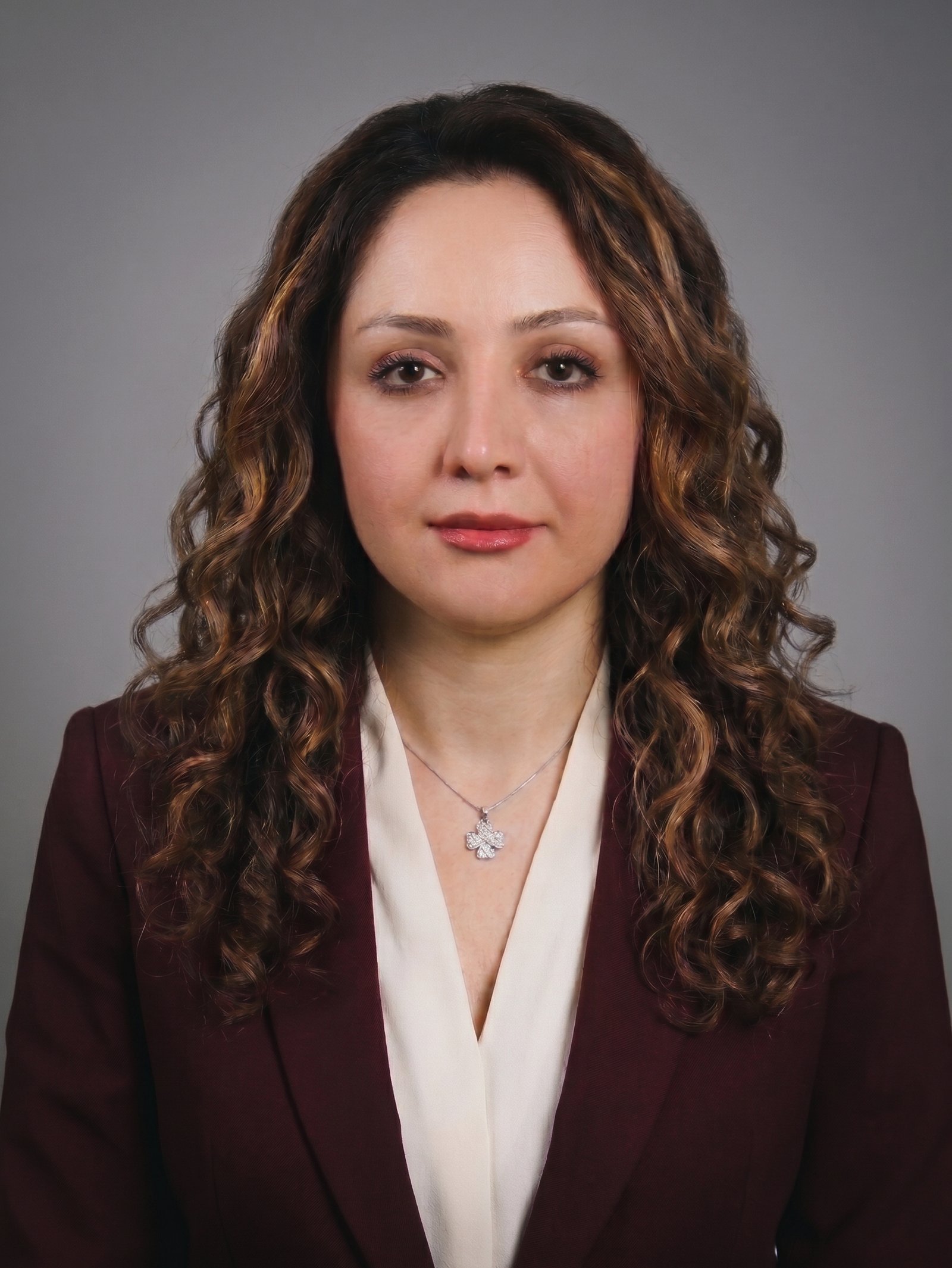
TaxDigit has a dedicated sustainability and ESG team, led by Dr Attieh Moezoddin, Head of Sustainability & ESG Advisory. Attieh holds a PhD in the Built Environment from the University of Salford and is a sustainable development researcher whose doctoral work built a framework for sustainable urban development using expert panels and multi-criteria analysis (fuzzy Delphi, fuzzy AHP and fuzzy TOPSIS) across social, environmental, economic and cultural pillars.
Finance, reporting and tax quality is reviewed by Amir Rafiei, Senior Manager for Global Tax Strategy, Transfer Pricing and Sustainability, who holds the  ACCA Certificate in Sustainability for Finance. The team works side by side with our accounts, tax, payroll and international specialists, so your sustainability disclosures, financial statements and tax returns rest on one set of facts. Statutory audit is carried out separately by our alliance firm Jelveh Audit & Assurance.
- PhD, Built Environment
- Sustainable development research
- Materiality and expert panels
- SDGs and impact
- Climate risk and reporting
- ESG metrics and analytics
- IFRS S1, S2 and UK SRS
- CSRD and ESRS
- CBAM and green taxes
All sustainability and ESG services
See the full overview on our sustainability and ESG services page, or go straight to a related service. Large groups may also need our large and multinational group tax support.
Official sources
Rules, thresholds and dates on this page were checked against these sources on 14 November 2026. We re-check them whenever they change.
Frequently asked questions
What are the Sustainable Development Goals?
Seventeen goals agreed by the United Nations in 2015, with 169 targets, covering poverty, health, education, equality, climate, nature, decent work, innovation and partnerships, to be achieved by 2030.
How does a business choose which SDGs to focus on?
By mapping its impacts across the value chain and prioritising the goals where it has the largest positive or negative effect and the most influence.
What is impact measurement?
Assessing the change in outcomes for people or the environment caused by an organisation, considering what, who, how much, contribution and risk.
What is the B Impact Assessment?
B Lab's tool for assessing a company's impact on its governance, workers, community, customers and the environment. It is used on the path to B Corp certification.
Can you certify us as a B Corp?
No. Certification is granted by B Lab. We prepare you: baseline assessment, evidence, policies and an improvement plan.
What is a Theory of Change?
A model linking inputs and activities to outputs, outcomes and long-term impact, which makes your assumptions and risks explicit.
Is the SDG framework only for large companies?
No. Small and medium-sized businesses use the SDGs and the SDG Action Manager to plan and communicate their contribution.
How do SDGs relate to investor reporting?
Investors use the SDGs as a capital allocation guide and impact funds report against them. Credible SDG reporting can widen your investor base.