
Customs duty, import VAT and export compliance for UK manufacturers. Duty is one of the few taxes a business can pay for years without ever seeing a computation. It is charged on a classification your freight forwarder chose, on a value your finance team never checked, and it is rarely refundable once paid.
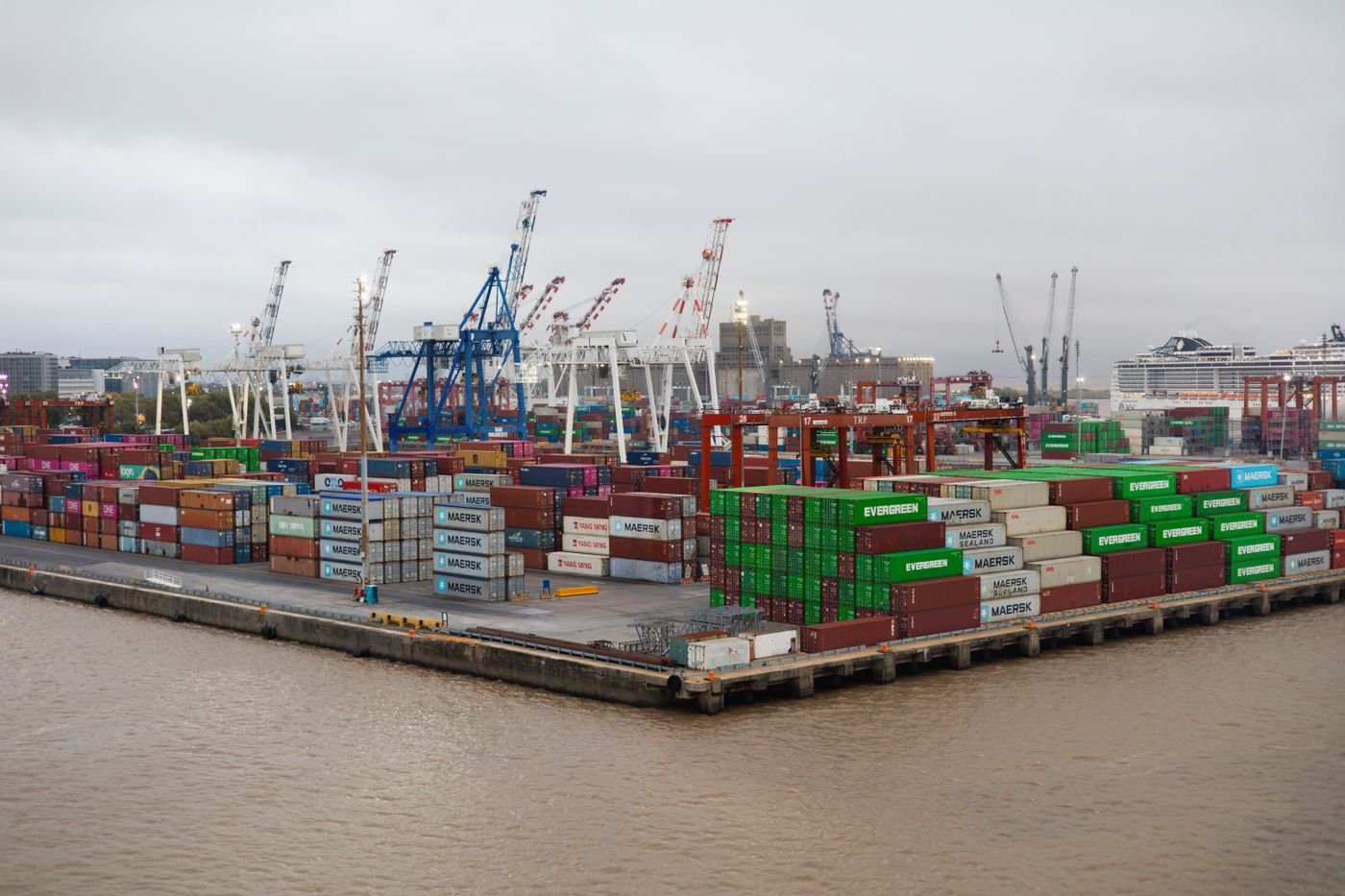
Where manufacturers overpay
- Commodity code classification — the code determines the duty rate. Codes chosen once, years ago, by someone outside the business are the most common source of long-running overpayment, and of underpayment that becomes an assessment.
- Customs valuation — the dutiable value is not always the invoice value. Royalties, tooling provided free of charge, assists, and transport costs can all belong in or out of it.
- Rules of origin — preferential tariff rates under a trade agreement depend on origin, not on where the goods were shipped from. Manufacturers who assemble imported components frequently claim preference they cannot substantiate, or fail to claim preference they are entitled to.
- Inward and outward processing — goods imported for processing and re-export, or sent abroad for processing and returned, can be relieved from duty under authorised procedures. Many manufacturers pay duty twice on the same material for want of an authorisation.
- Returned goods and rejected imports — relief exists, but only if claimed correctly and in time.
Cash flow: PVA and deferment
Postponed VAT accounting lets you account for import VAT on the VAT return rather than paying it at the border and recovering it later — a permanent working capital gain that some manufacturers still are not using. A duty deferment account does the same for duty, consolidating payment into a monthly direct debit. We set both up, reconcile the monthly statements to your VAT return, and check that what your agent declared is what you actually intended.
Contracts and Incoterms
The Incoterm in your sales contract decides who is the importer of record, who bears freight and insurance, and who carries the duty and VAT cost. Selling DDP into an overseas market can create a foreign VAT registration obligation your sales team never considered. We review the terms alongside the tax position before the quote goes out.
Getting the paperwork to match the reality
- EORI registration, and the authorisations that make a supply chain work
- Reviewing customs declarations submitted on your behalf — you remain responsible for them
- Duty and import VAT reconciliation as part of the monthly close
- Voluntary disclosure and repayment claims where past declarations were wrong in either direction
- Export evidence to support zero-rating, and what happens when it cannot be produced
- Transfer pricing where goods move between group companies, so that the customs value and the corporate tax position tell the same story — see transfer pricing
Carbon border adjustment
The UK Carbon Border Adjustment Mechanism starts on 1 January 2027, covering aluminium, cement, fertiliser, hydrogen and iron and steel. Manufacturers importing those goods, or components made from them, should be establishing now what data their suppliers will have to provide. See plastic packaging tax and CBAM.
Selling and buying internationally
We advise on overseas VAT registrations, distance selling to consumers, warehousing stock abroad, and the corporate tax consequences of a foreign presence — including when a warehouse or a salesperson creates a permanent establishment. See overseas expansion and international advisory services.
Part of our manufacturing accountants practice, and of our wider import and export accountants service.
Frequently asked questions
What is postponed VAT accounting and should we use it?
It lets a VAT-registered importer account for import VAT on the VAT return instead of paying it at the border and reclaiming it later. For most manufacturers importing regularly it is a permanent cash flow improvement with no downside, provided the monthly statements are reconciled properly to the return.
Who is responsible if our freight agent gets a declaration wrong?
You are, in most cases. Declarations are made on your behalf, and HMRC will assess the importer for underpaid duty and VAT, with interest and potentially penalties. This is why we review a sample of declarations rather than assuming the agent has it right.
How do we know our commodity codes are correct?
By reviewing them against the current tariff for what the goods actually are, not what they have always been called. Classification changes over time, product specifications change, and a code selected at first import is rarely revisited. Where a code is genuinely arguable, a binding tariff ruling gives certainty.
Can we claim a preferential tariff rate under a trade agreement?
Only if the goods meet the rules of origin in that agreement and you hold the evidence to prove it. Assembling imported components in the UK does not automatically confer UK origin — it depends on the specific rule for that product, which may be based on a tariff heading change or a percentage of value added. Claiming preference without support is a common and expensive error.
We import material, process it and export it. Are we paying duty twice?
Possibly. Inward processing relief allows goods to be imported for processing and re-export without duty, and outward processing covers the reverse. Both need an authorisation in place beforehand, so it is worth reviewing the flow before the next shipment rather than after.
What does CBAM mean for us?
The UK Carbon Border Adjustment Mechanism starts on 1 January 2027 and covers aluminium, cement, fertiliser, hydrogen and iron and steel. If you import those goods, the practical work now is establishing what emissions data your suppliers can provide, because the charge will depend on it.
Stop paying duty you do not owe
A customs review usually pays for itself in the first classification we look at.
Book a Consultation